Grand Lakes & Africa — Strategic Intelligence. Operational Clarity. Vetted Professionals.
The Security Risk Monitoring (SRM) Network — Grand Lakes & Africa is a closed, vetted professional network operating at the intersection of security, humanitarian action, diplomacy, and policy across the Great Lakes region and the African continent.
We bring together experienced professionals who share a commitment to rigorous analysis, operational integrity, and strategic intelligence sharing in some of the world's most complex environments.
Membership is by application only. Every member is individually vetted. Access is granted — not assumed.
The SRM Network is designed for professionals with demonstrated experience in complex, high-stakes environments across Africa and the Great Lakes region.
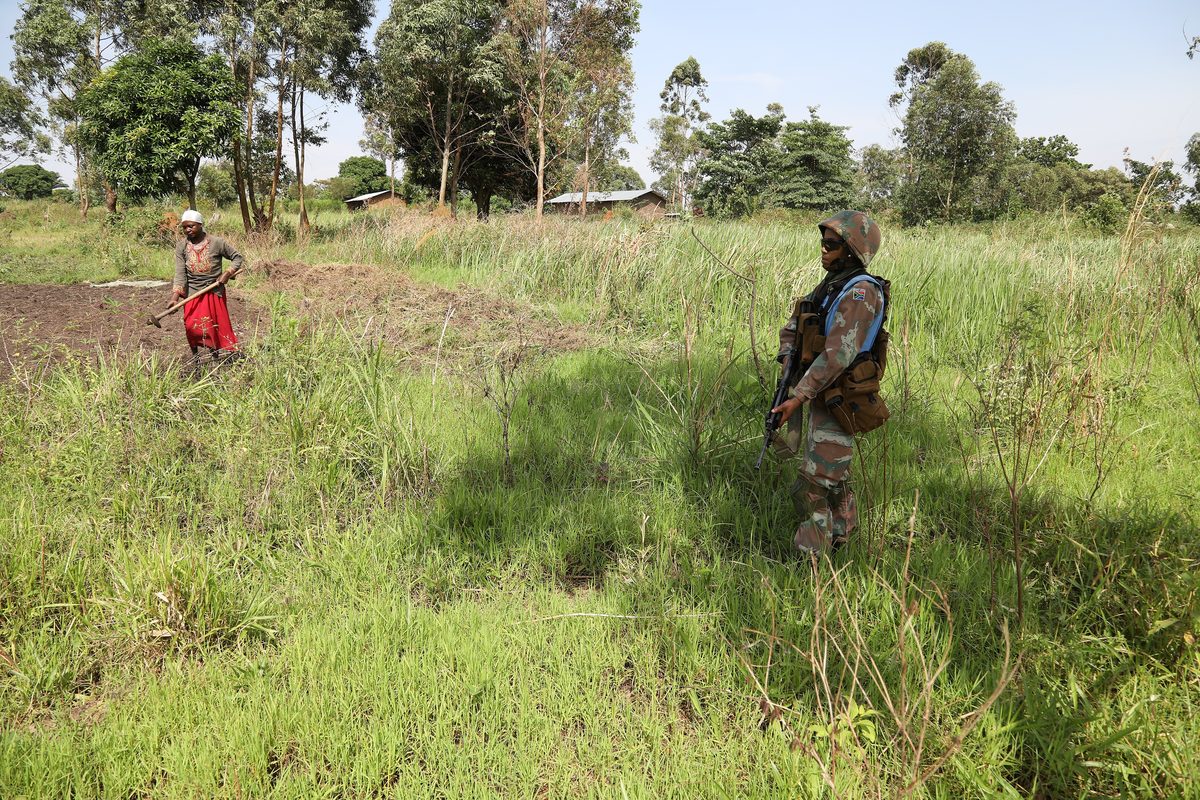
Security managers, risk analysts, field security officers, and crisis response specialists operating in fragile and conflict-affected states.
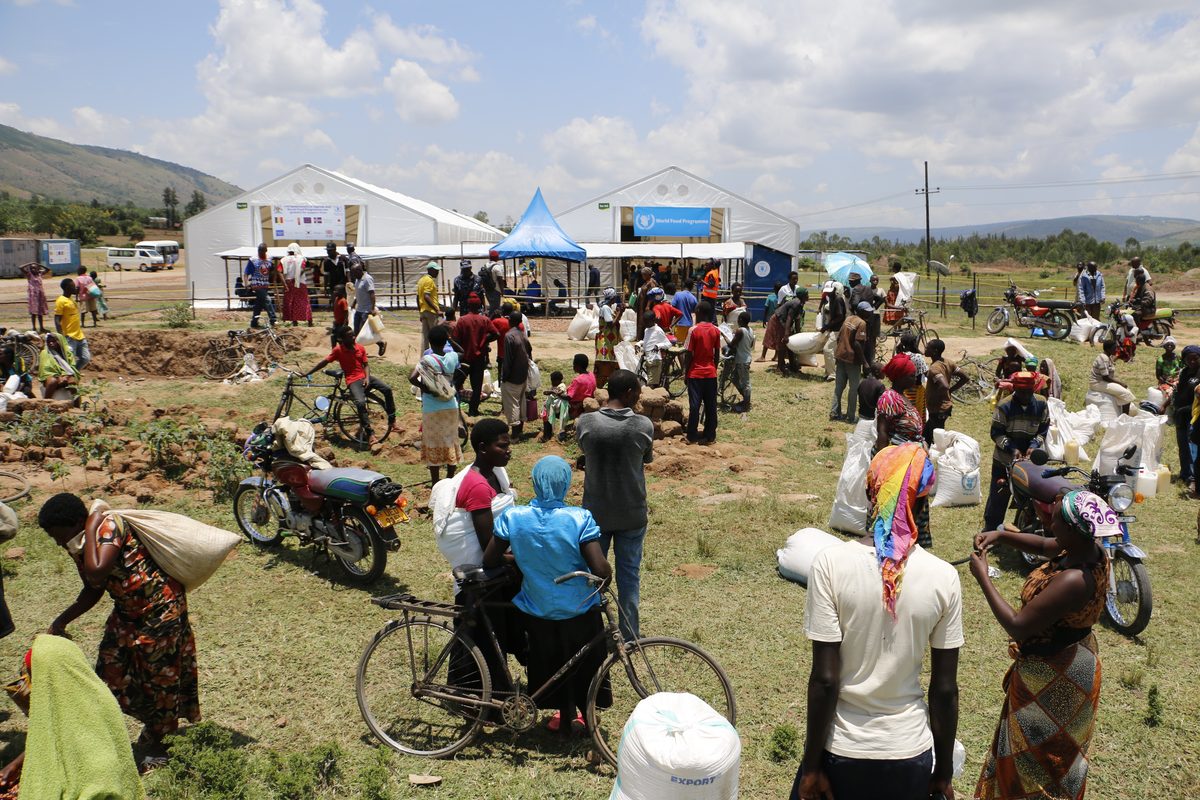
NGO directors, humanitarian coordinators, and protection specialists with operational experience in complex emergencies across the region.
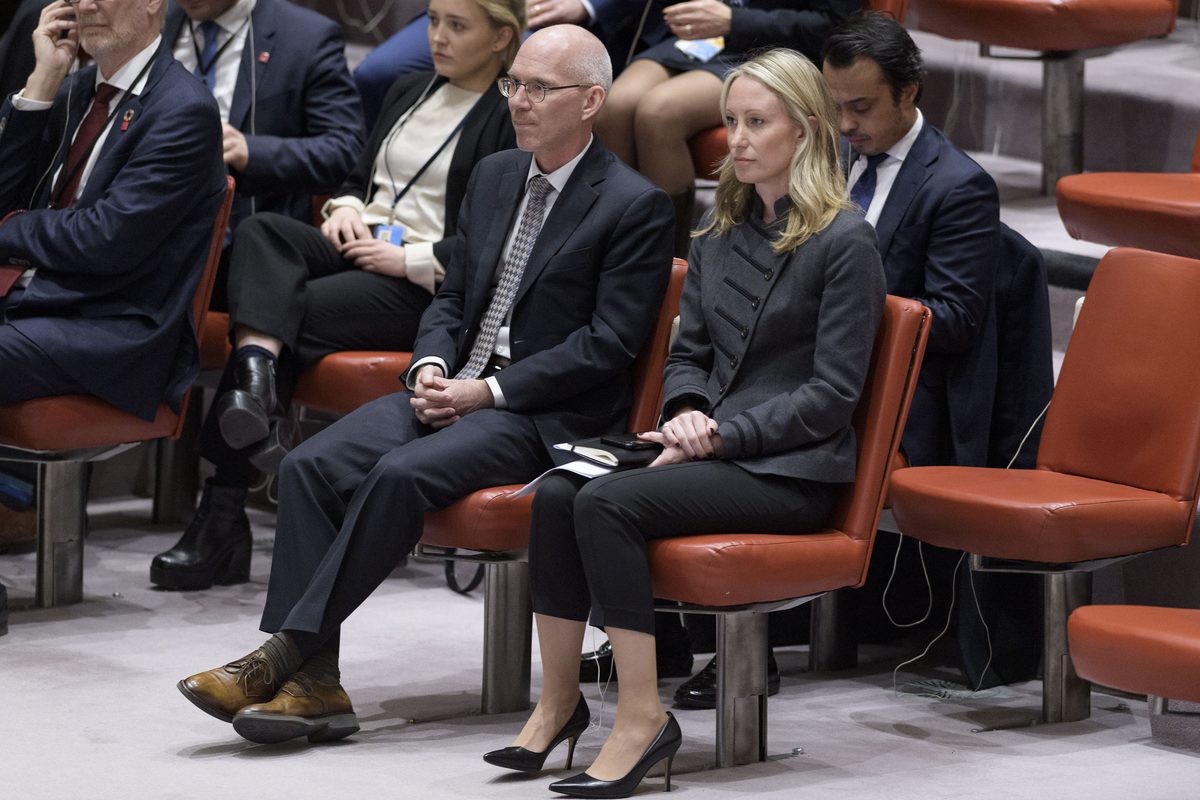
Diplomats, embassy staff, policy advisors, and government liaisons engaged with African peace and security architecture.
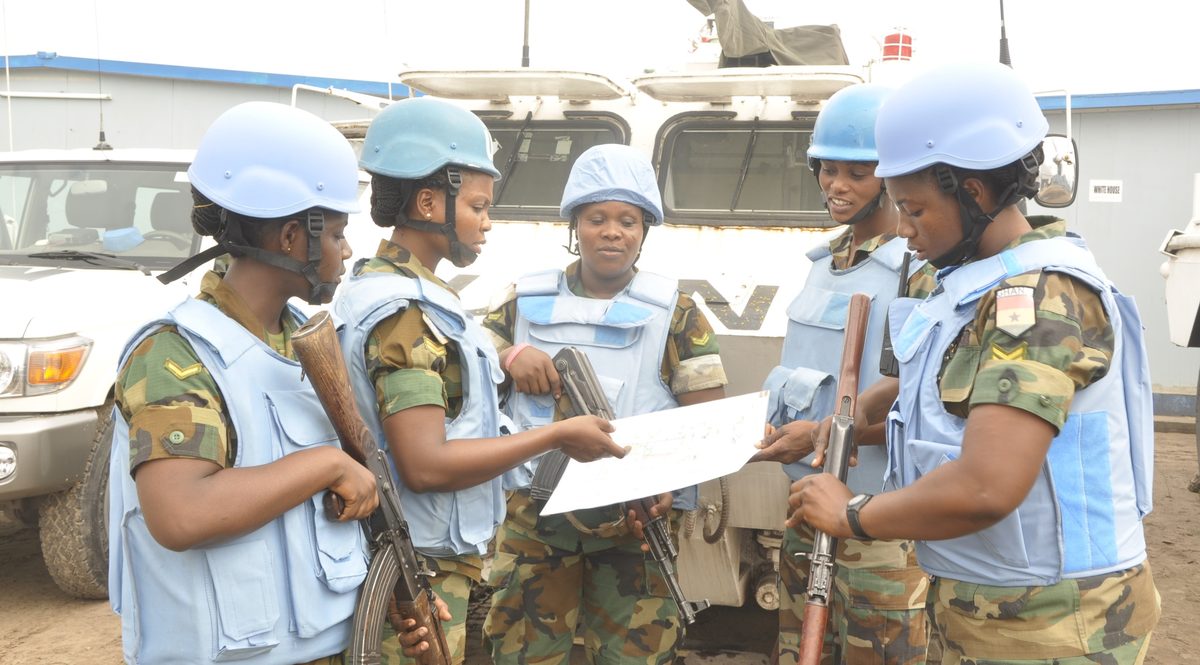
Conflict researchers, intelligence analysts, and think tank professionals with substantive expertise on the Great Lakes and African security dynamics.

International law practitioners, compliance officers, and human rights monitors operating within African institutional and legal frameworks.
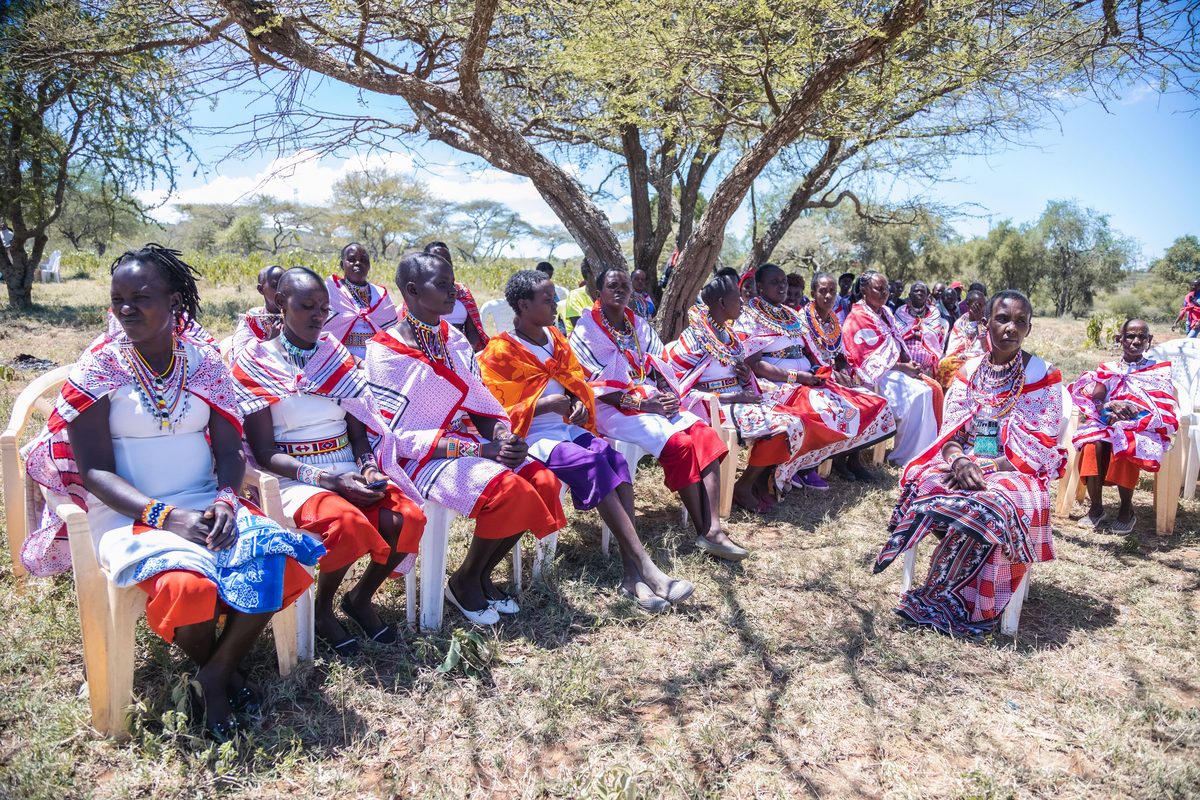
Community leaders, peacebuilding practitioners, and civil society representatives with frontline engagement in conflict-affected communities.
SRM analysis is produced by the SRM Research Team and presented to the public by the analysts who lead it, so partners, media and institutions know exactly whose judgement they are reading.
Fifteen years across humanitarian operations, field security and political analysis in the Great Lakes region. In DR Congo, with different international NGOs, he negotiated humanitarian access directly with armed groups, national and regional stakeholders. He has produced analytical reporting for USAID while he was head of Security Unit support to Implementing Partners across the DRC, Central African Republic and the Congo Republic, particularly on security risk management, crisis preparedness and conflict prevention. At SRM he focuses on eastern DRC, Rwanda, Uganda, Kenya, Angola, Tanzania, Central African Republic, South Sudan, and Burundi. He co-hosts the SRM Snap Call series.
LinkedIn →Co-host of the SRM Snap Call, including the 5 November 2026 session on the FRN of Joseph Kabila and its prospects for humanitarian actors and the region, held in French under the Chatham House rule.
Hear him at the Snap Call →"Intelligence shared among trusted professionals saves lives and shapes better outcomes."Join the Network
Every member undergoes individual review. Membership is not open — it is earned through professional standing, demonstrated expertise, and commitment to the network's principles.
All members sign a binding Code of Conduct and Confidentiality Agreement. Information shared within the network remains within the network.
This is not a theoretical forum. The SRM Network serves professionals who operate in the field — providing practical intelligence, peer support, and strategic analysis that directly informs decision-making.
Deep focus on the Great Lakes region and the African continent — the complexity, the actors, the dynamics. This is not a generic security network. It is purpose-built for this geography.
Briefings and scenario work from the SRM Network, alongside the public reporting our analysts track. Every title below is a clickable link. SRM analysis develops the African context in general and the Great Lakes crisis in particular, with eastern DRC at its centre. All analysis is signed by the SRM Research Team.
28.8 million people face high acute food insecurity through December. The drivers are conflict, displacement and blocked access, and the answer runs through shared livelihoods, not tonnage alone.
8.59 million people are displaced and 5.27 million have returned to places that often cannot sustain them. Rebuilding shared markets, water and land access decides whether return holds.
3.8 million people are uprooted across Burkina Faso, Mali and Niger, and hunger follows the roads an armed group can close. Farmer and herder livelihoods rebuilt together are the way back.
How conflict gold replaced the Islamic State's money, and why five years of Operation Shujaa have dispersed the ADF without defeating it.
The FRN of Joseph Kabila, the gap between signed commitments and the ground, and what humanitarian actors should watch next.
Consolidated open-source intelligence across geopolitical, health security, and operational threat domains in the Great Lakes and Africa.
Scenario intelligence flash: two institutions decapitated, one country at a crossroads, and a Sahel watching every move.
Fracture at the summit in Dakar and what it means for the region, in French.
A security risk matrix for the DRC Ebola outbreak: health security read as operational risk.
The UN Security Council's expert panel on armed groups, the AFC/M23 crisis, and security developments in Ituri and North Kivu.
Crisis Group's analysis of the M23 offensive, the Washington and Doha tracks, and humanitarian access.
Complex humanitarian crisis and epidemics in the DRC: the weekly situation report for 5 to 11 October 2026, in French.
UNHCR's emergency page for the DRC displacement crisis: the response, the figures, and operational updates.
Membership in the SRM Network is by application only. All applications are reviewed individually by the network coordination team. Approved applicants will be contacted directly.
Upon approval, you will be required to review and sign the SRM Code of Conduct and Confidentiality Agreement before access is granted.